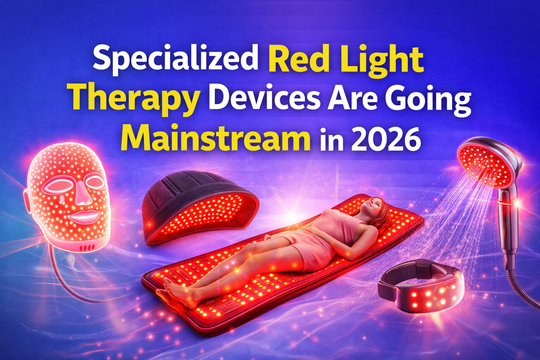

The red light therapy industry continues to evolve rapidly, with several companies launching new accessories, payment options, and complementary wellness products. While many of these updates may not completely transform the space overnight, they do highlight how the industry is maturing and becoming more user-friendly.
This month’s updates include new mounting systems, blue-light-blocking glasses, and even Bitcoin payment support.
New Products:
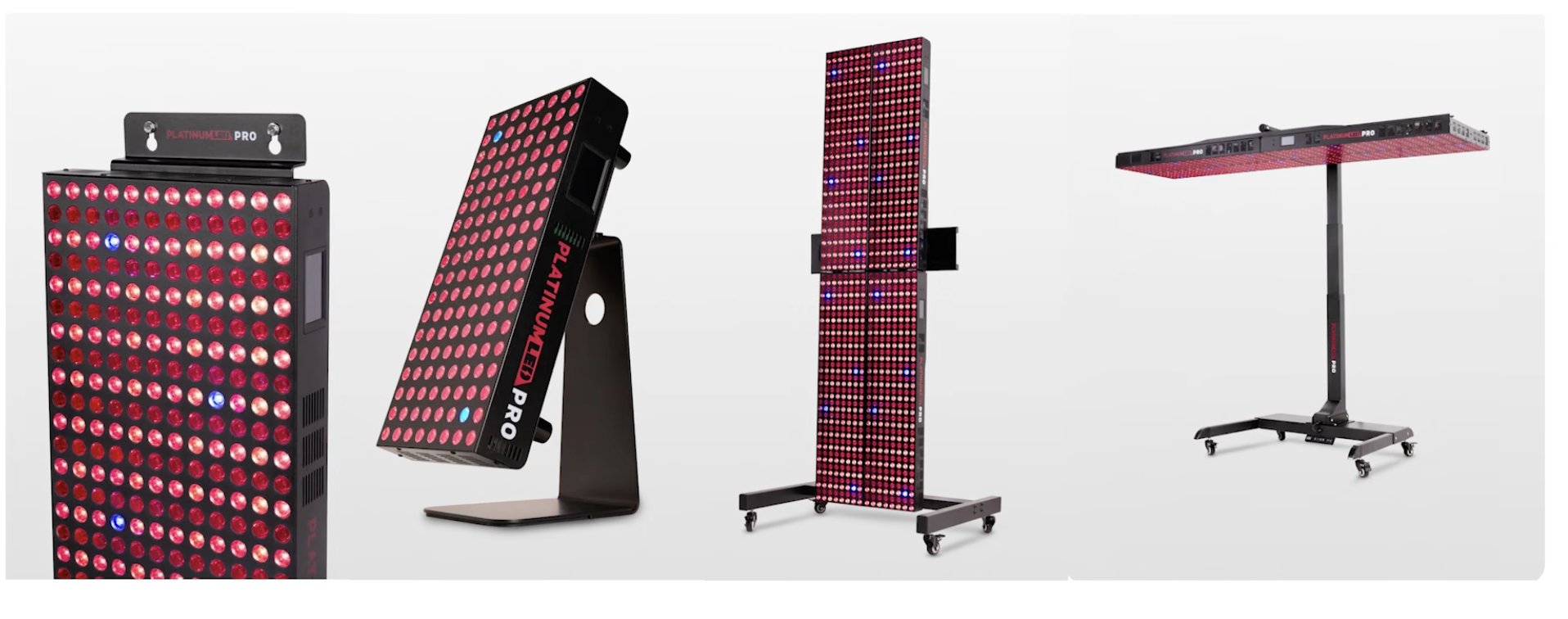
Platinum LED Updates Its Mounting Systems
Platinum LED has released updated mounting systems specifically designed for the BioMax Pro series. The new stands feature a refreshed design and updated color scheme that gives the setup a more premium appearance.
For users who regularly use large red light therapy panels, mounting systems are often overlooked until daily use becomes inconvenient. Having a stable, adjustable stand can significantly improve treatment consistency and comfort.
These updates appear focused on improving usability and aesthetics rather than changing the therapy performance itself, but for home users with permanent setups, these upgrades may still be worthwhile.
Chroma Launches New Stand for Iron Forge Devices
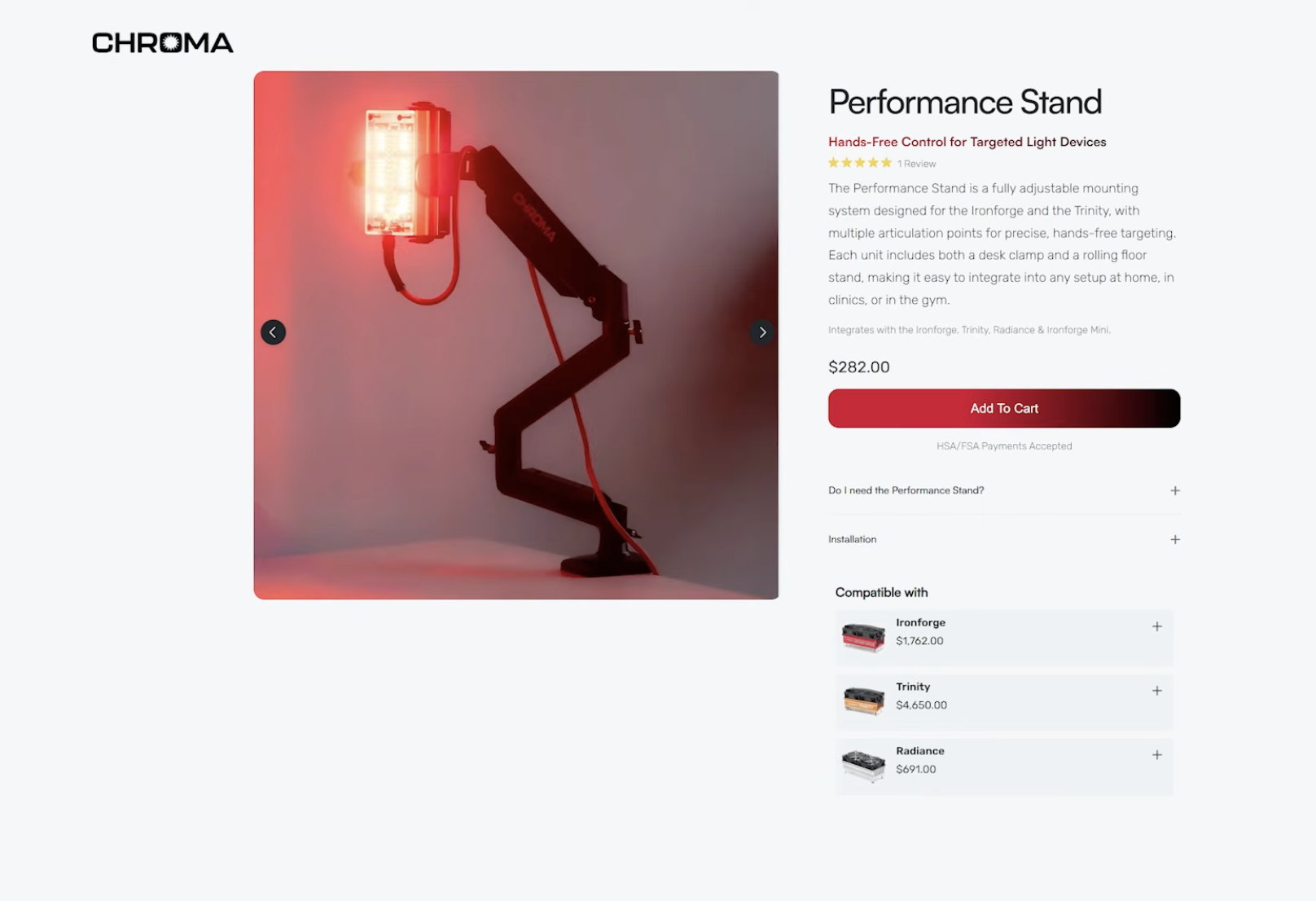
Chroma has also entered the accessory space with a new stand designed for devices like the Iron Forge.
The Iron Forge is a large and powerful device, but its size can make positioning difficult—especially for users targeting areas such as the lower back, hips, or legs. The new stand aims to solve that problem by improving positioning flexibility and ease of use.
This won’t be essential for every user, but for anyone doing frequent full-body or targeted treatments, accessories like this can make sessions significantly more convenient.
Chroma Expands Into Blue Light-Blocking Glasses
In addition to red-light products, Chroma has now launched daytime blue-light-blocking glasses.
Although blue-light-blocking products sit slightly outside traditional red-light therapy, they are highly relevant to overall light health. Many people spend long hours under fluorescent lighting or staring at blue-light-rich screens, which can contribute to eye strain, disrupted circadian rhythms, and poor sleep quality.
Daytime blue-light glasses are designed to reduce excessive exposure to artificial blue light while still allowing enough light for normal daytime functioning.
As awareness of circadian biology grows, more light therapy companies are expanding into broader light-optimization products.
Bitcoin Payments Arrive in Red Light Therapy
One particularly interesting update is that Chroma is now accepting Bitcoin payments.
This may seem like a small change, but it highlights how wellness companies are adapting to new payment technologies and serving a more global audience.
At the moment, Chroma appears to be one of the first red light therapy companies to openly support cryptocurrency payments.
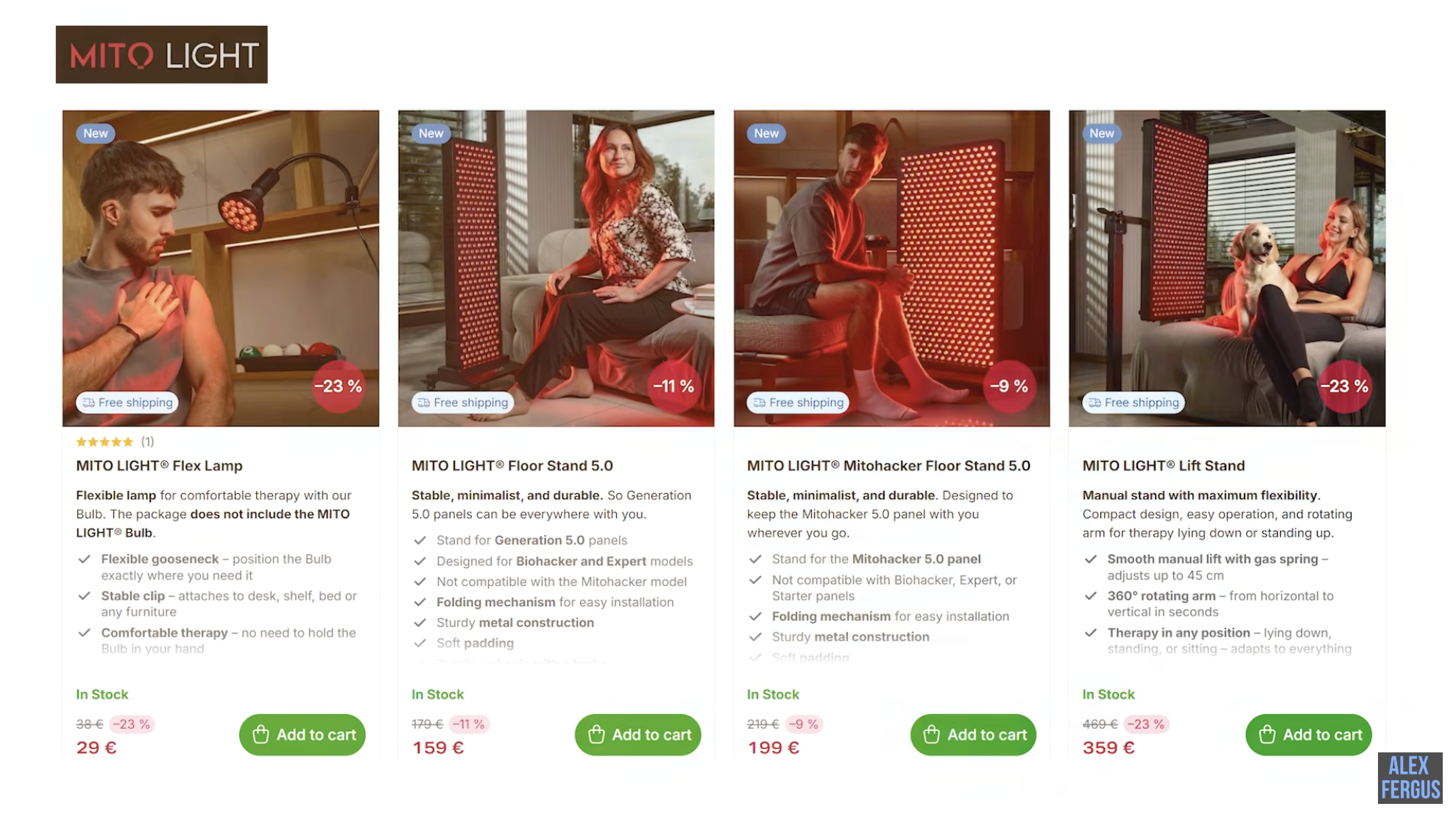
Mito Light Introduces New Stands for 5.0 Panels
European company Mito Light has also released several new stand options, including an electric stand designed for its newer 5.0 panel range.
Electric stands can be especially useful for larger therapy panels because they allow users to adjust height and positioning with minimal effort.
As panels become larger and more powerful, accessory ecosystems are becoming increasingly important. Proper mounting systems can improve comfort, treatment angles, and overall usability.
New Red Light Therapy Articles:
This month brought several interesting articles covering sunlight simulation, methylene blue, UV light benefits, jaw pain, sciatic pain, and sleep optimization.
As the light therapy space grows, educational content is becoming increasingly valuable because users are now looking beyond basic red light therapy benefits and diving deeper into mechanisms, protocols, and complementary therapies.
Here are some of the standout articles and topics from this month.
Chroma Explores Sunlight Simulation and Full-Spectrum Lighting
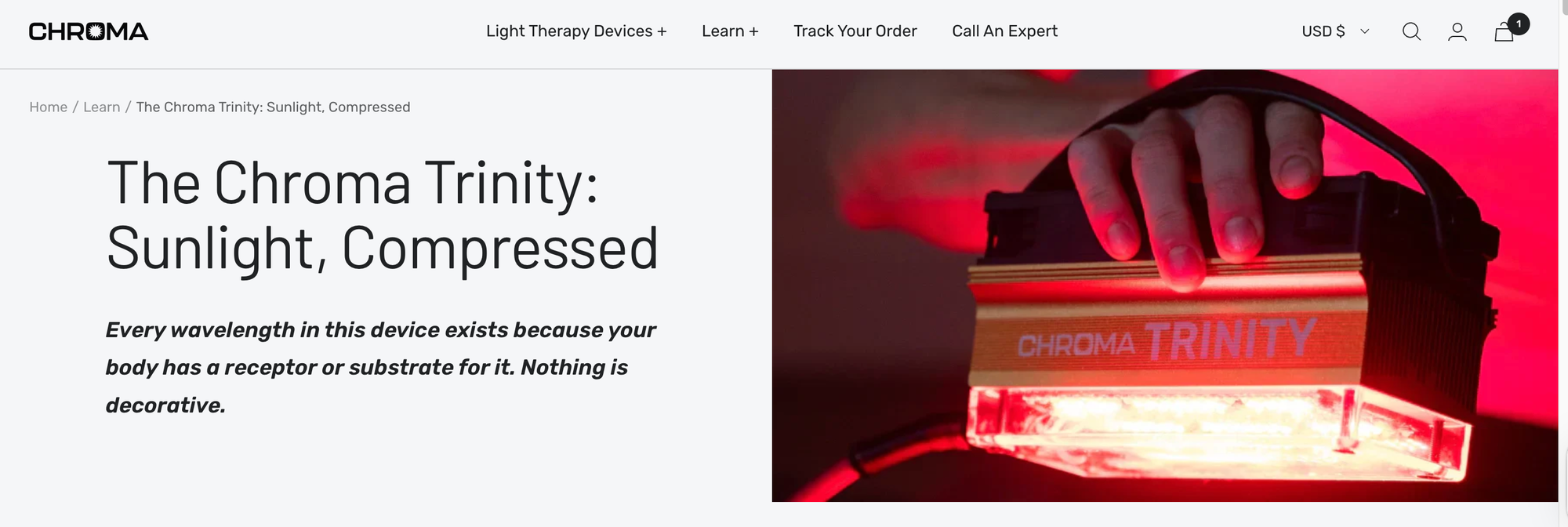
Chroma recently published new articles explaining why their Sky Portal and Trinity systems aim to simulate natural sunlight.
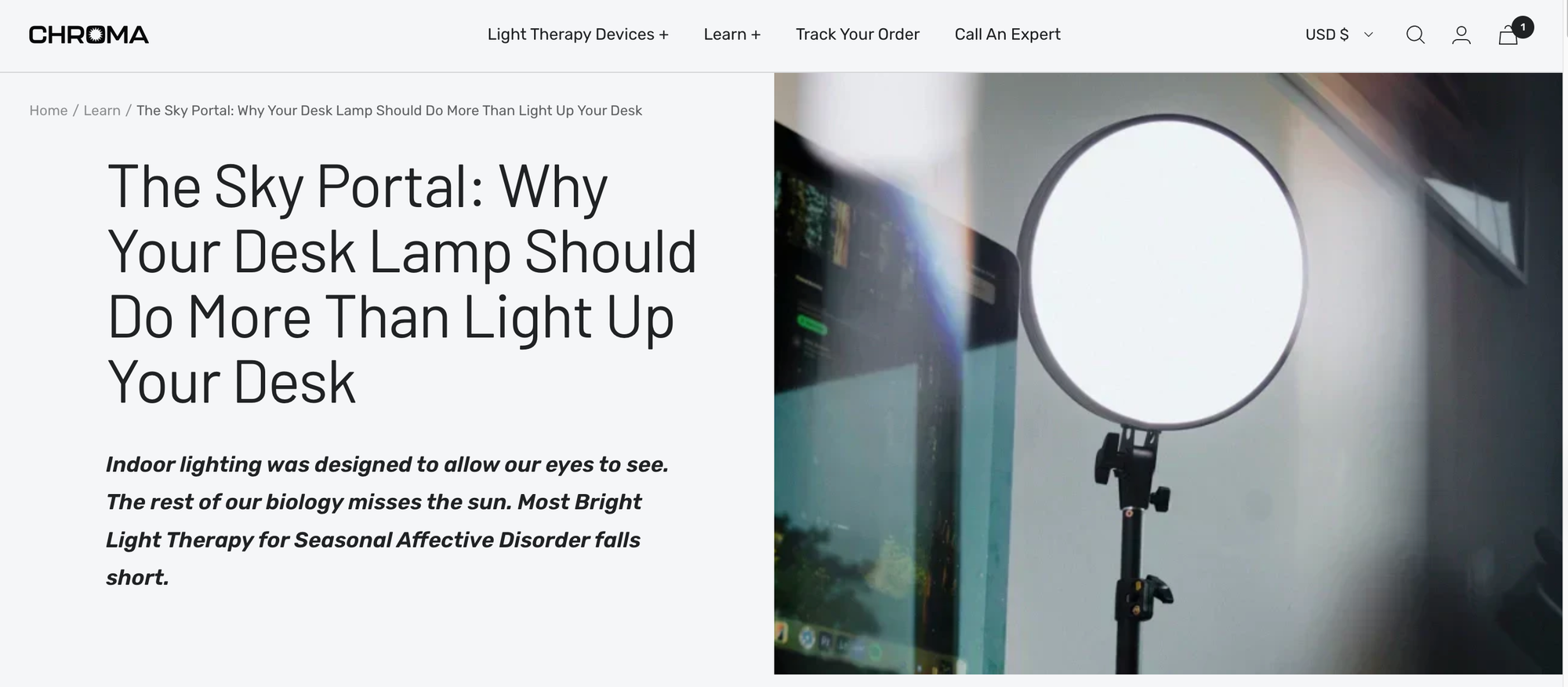
While these products are broader light-therapy tools rather than pure red-light therapy devices, the science behind sunlight simulation is becoming increasingly compelling.
Natural sunlight exposure affects:
- Circadian rhythm regulation
- Hormone production
- Mood
- Sleep quality
- Cognitive function
- Energy levels
Modern indoor environments often expose people to artificial lighting that lacks the balanced spectrum found in natural daylight.
This has led many wellness companies to explore full-spectrum lighting systems that more closely mimic the natural outdoor environment.
Methylene Blue and Red Light Therapy
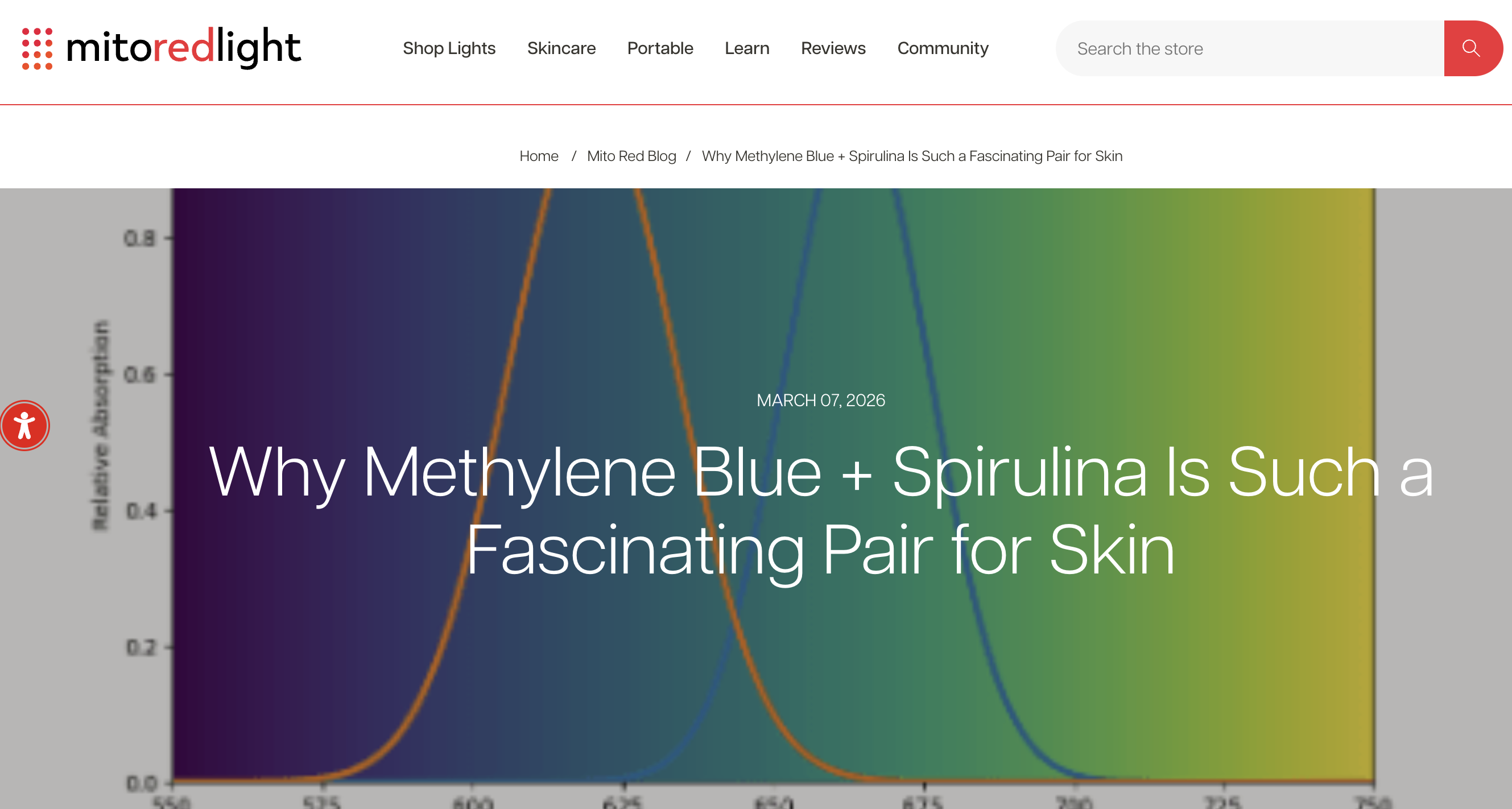
Another growing topic in the wellness space is combining methylene blue with red light therapy. Methylene blue has gained attention because of its potential effects on mitochondrial function and cellular energy production.
The theory is that combining methylene blue with photobiomodulation may amplify mitochondrial activity and ATP production. Although this topic has become increasingly popular online, it remains an emerging area with many unanswered questions.
Potential areas of interest include brain health, cognitive performance, cellular energy, anti-aging, and neuroprotection. The topic continues to generate strong discussion within the red light therapy community and Facebook groups.
UV Light Benefits Beyond Vitamin D
UV light often receives negative attention due to skin cancer concerns, but some researchers and wellness experts argue that moderate UV exposure may provide additional health benefits beyond vitamin D production.
Emerging discussions about UV exposure include potential effects on nitric oxide release, mood regulation, immune signaling, circadian rhythm support, and cardiovascular health.
As always, moderation and proper exposure timing are important.
Can Red Light Therapy Help Jaw Pain?
One new article explored the potential role of red light therapy for jaw pain and TMJ-related discomfort.
Jaw pain can stem from TMJ dysfunction, muscle tension, inflammation, stress-related clenching, and dental issues.
Because photobiomodulation may help reduce inflammation and improve circulation, some researchers believe it could offer supportive benefits for pain management.
While more research is still needed, this area is gaining attention among users looking for non-invasive pain management strategies.
Related Articles
New Red Light Therapy For Jaw Pain Study: As Good As Conventional Therapy! Great New Jaw Pain Study & Latest ArticlesRed Light Therapy for Sciatic Pain
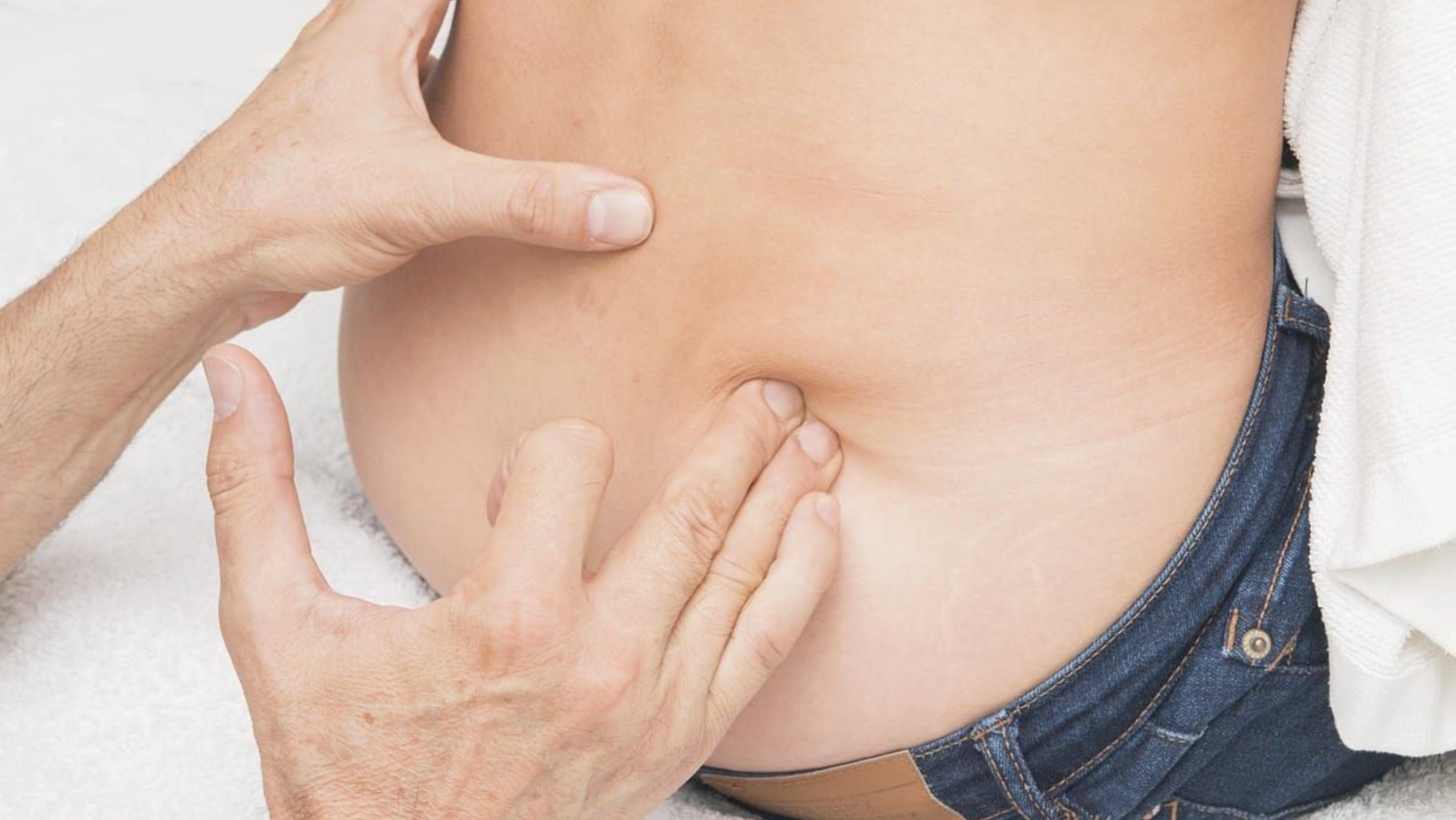
Another popular topic this month was whether red light therapy can help reduce sciatic pain.
Sciatica can be extremely debilitating because it often involves nerve irritation radiating through the lower back, hips, and legs.
Anecdotal reports vary significantly. Some users report reduced inflammation and pain relief, others experience only modest improvements, and severe nerve compression may require additional interventions.
Red light therapy may potentially support symptom management by improving circulation and reducing inflammation, but it is unlikely to fully resolve structural nerve compression on its own.
Red Light Therapy and Sleep: 10 Groundbreaking Studies
Sleep optimization remains one of the fastest-growing applications for light therapy.
This month also featured a deep dive into 10 major studies examining how red light therapy may influence melatonin production, circadian rhythm regulation, recovery, sleep quality, and sleep onset.
Poor sleep impacts nearly every aspect of health, including hormone function, metabolism, immune health, mental performance, and recovery capacity.
As a result, many users are now incorporating evening red light sessions into their wellness routines.
New Science:
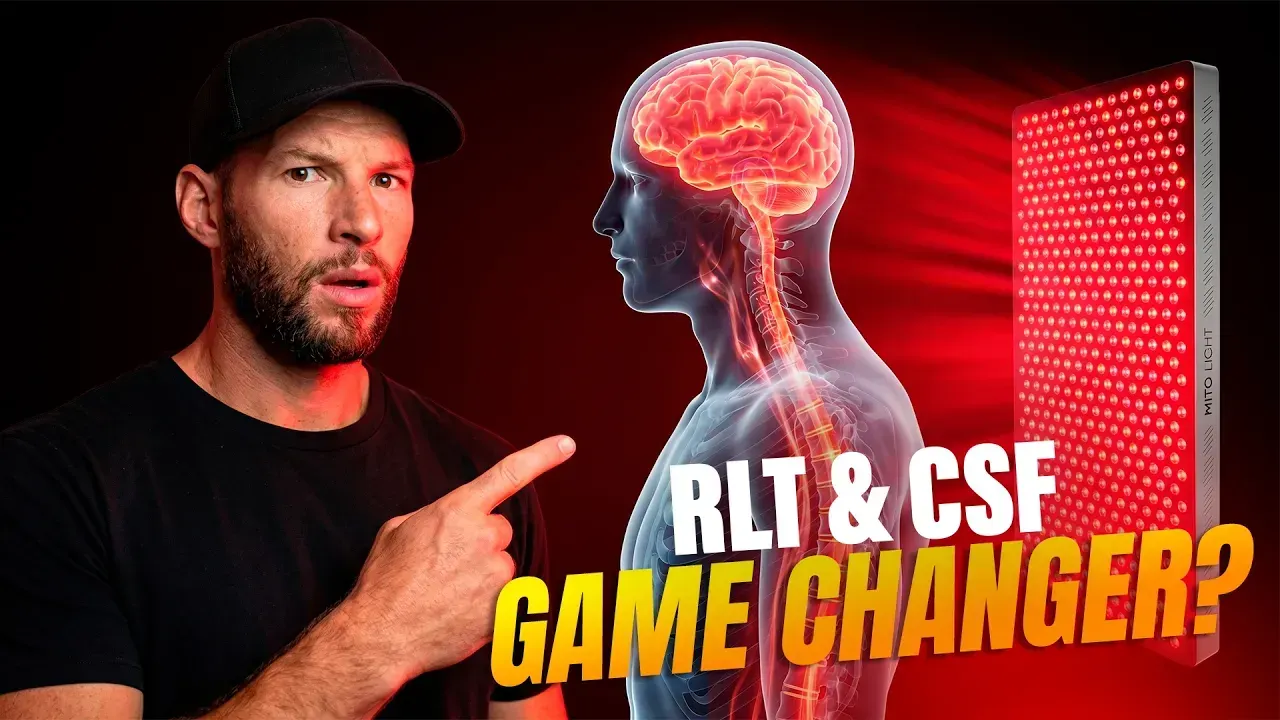
Can Red Light Therapy Influence Cerebrospinal Fluid Flow?
This month’s study looked at whether pulsed photobiomodulation can change cerebrospinal fluid flow in the brain.
Cerebrospinal fluid, or CSF, surrounds the brain and spinal cord. It helps protect the brain, supports metabolic function, and plays an important role during sleep. It is also closely connected to the glymphatic system, which helps clear waste from the brain.
The study included 45 healthy participants, both men and women, most of whom were under 32 years of age. Researchers used Vielight-style brain photobiomodulation devices and tested both 808nm and 1064nm light. They also tested different irradiance levels and alpha and gamma pulsing.
Participants did not know which light intensity or setting they were receiving.
The key finding was that just four minutes of photobiomodulation changed CSF flow. That is interesting because it suggests brain-focused red light therapy may influence more than just mitochondrial activity or local blood flow. It may also affect fluid movement in the brain.
Alex noted that intranasal treatment appeared to be more effective than transcranial treatment in this study. There also seemed to be a dose-response effect, meaning the amount of light delivered appeared to matter.
The paper goes into more detail on possible mechanisms, but Alex kept the takeaway simple: this is early research, and more long-term studies are needed. Still, it adds another possible mechanism for how red light therapy may affect the brain.
For anyone interested in cognitive decline, brain health, or neurological aging, the findings are worth watching. Alex also pointed out that while Vielight products were used in the study, they are not the only option. Lower-cost intranasal devices exist, and even panel-based exposure may allow some light to reach brain tissue.
The main takeaway is not that red light therapy is a proven treatment for brain disease. This study gives researchers another reason to continue investigating how photobiomodulation may influence brain function.
This Month's Study
Modulating cerebrospinal fluid dynamics using pulsed photobiomodulationMonthly Q & A:
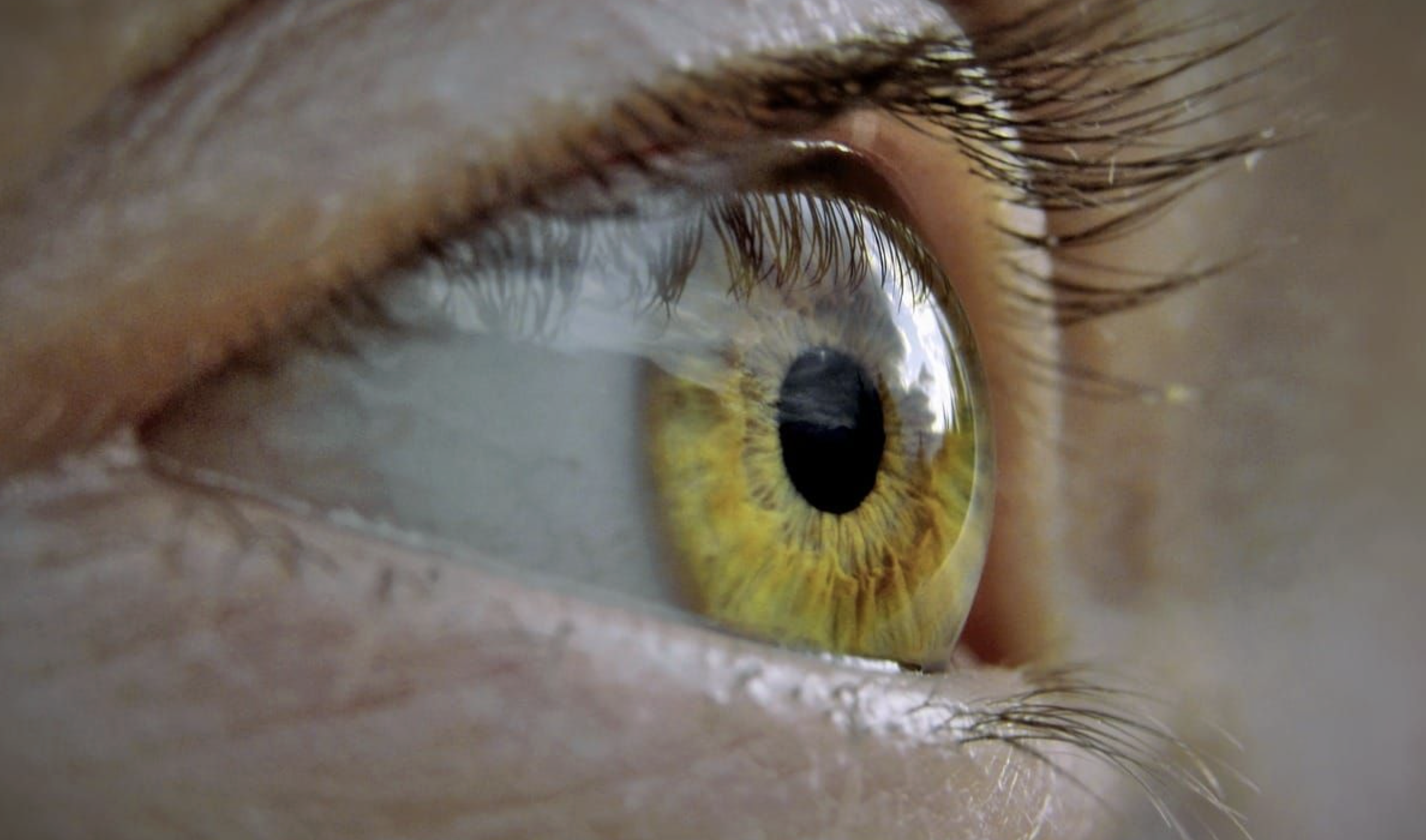
Red Light Therapy and Eye Health: Should You Wear Eye Protection?
This month’s Q&A focused on one of the biggest ongoing debates in the red light therapy space — eye safety.
A large discussion recently took place inside the Facebook group about whether red light therapy can improve eyesight and whether eye protection is necessary.
According to Bart, exposure levels of 40–50 mW/cm² at short distances appear to be quite safe for brief sessions. He also pointed out that many photobiomodulation studies use similar irradiance levels and that humans naturally experience comparable light intensity outdoors in bright sunlight.
Bart plans to publish more content covering conditions such as glaucoma, cataracts, and age-related macular degeneration.
Ultimately, the recommendation is to review the research yourself and decide what level of exposure you’re comfortable with. If you’re concerned, using goggles or limiting direct eye exposure is a simple precaution.
Channel Updates
I’ve also recently published a few videos that I think you’ll find interesting. One takes a deep dive into Pulsed vs Continuous Light and whether pulsing actually changes photobiomodulation outcomes. I break down some common claims about pulsed frequencies and examine whether there’s meaningful evidence of benefits over continuous light.
I also released a video on red light therapy for sports performance, covering recovery, muscle performance, endurance, and how athletes use photobiomodulation both before and after training sessions.
Another recent upload is my review of the Mito Red Light company, where I break down their devices, features, strengths, weaknesses, and whether they still offer good value in an increasingly competitive market.
Bart put out a video on thyroid health and red light therapy, exploring how photobiomodulation is being researched for thyroid support and metabolic health.
Looking ahead, I’ve got some exciting content coming soon, including a video on red light therapy and epilepsy, where I’ll also share some personal experiences with epilepsy and photobiomodulation. I’ve also got a Hooga company review on the way, plus a video covering the best red light therapy devices for cellulite.
Another upcoming video will break down red light therapy certifications — which certifications actually matter, which ones are mostly marketing, and what consumers should really pay attention to when comparing devices.
🎬 Eye Health Boost video
🎬 Pulse Light vs Continuous: What Actually Matters in Red Light Therapy:
🎬 Red Light Therapy for Strength & Endurance
🎬 Mito Red Light company review:
🎬 Thyroid Health
Items Mentioned
⭐ Buy a PlatinumLED BioMax panel or stand, use the discount link https://aferg.co/redled
⭐ For a Chroma product, use this link: https://aferg.co/chroma-ironforge - discount code ALEX
Mito Light Stand
⭐ Mito Light Stand or Mito Light 5.0 (In The EU) - get 5% OFF storewide by using code ALEX and the following link: https://aferg.co/mitolight
⭐For an Enyrgy D-Light: https://aferg.co/enyrgy
⭐ For a VieLight product, use this link: https://aferg.co/vielight, code ALEX10⭐
Alex's Bio
Alex Fergus wrote this blog post. Alex is an ISSN Sports Nutrition Specialist, Fitness Professional, and certified Superhuman Coach who continues to expand his knowledge base and help people worldwide with their health and wellness. Alex is recognized as the National Record Holder in Powerlifting and Indoor Rowing and has earned the title of the Australian National Natural Bodybuilding Champion. Having worked as a health coach and personal trainer for over a decade, Alex now researches all things health and wellness and shares his findings on this blog.