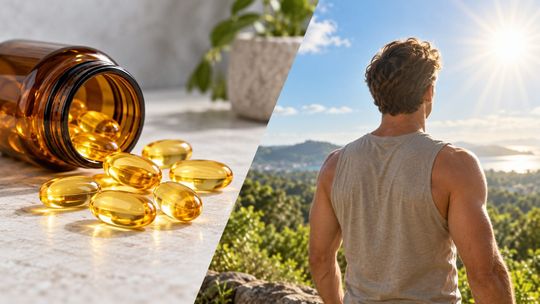

Today we're covering a very important new study from the UK showing the importance of sunlight.
We've also added the latest red light therapy news below, Alex's breakdown of new Chroma products, and lots of other content.
Let's go:
Impressive New British Cohort Study On Sunlight And Your Risk Of Dying
So this study is in "Preprint", meaning that it's not officially out yet, from Jan 2026. The study makes me think about an earlier Swedish study, from 2014, showing an inverse link between "all-cause mortality" and sunlight exposure
In plain English, that means that your overall risk of dying, whether that's from cancer, or heart disease, or neurodegeneration, or even an accident (falls often destroy older people's health over time), goes down with more sunlight exposure. So that outcome is now more or less confirmed in both Sweden and the UK.
Obviously, this doesn't mean that more is always better. I have an episode in my 100% free advanced science course dedicated to UV light, specifically lowering your risk for the 2 most dangerous types of skin cancer. Join HERE if you're curious.
"Sensible sunlight exposure" means, not burning, and not thinking more is better. If you're never in the sun, go very slow, in the same way that you'd reintroduce exercise if you've got a sedentary lifestyle. When a sedentary person runs a marathon out of the blue and then gets hurt, we don't blame the exercise. Sunlight is similar in its dynamics.
But to take a step back, the 2014 Swedish study actually found that fully avoiding the sun was as damaging to health as smoking. And, here's the very exciting outcome of the UK study (preprint, so it may be slightly adjusted):
"medium and high exposure were associated with lower all-cause mortality (hazard ratio 0.89, 95% confidence interval 0.87 to 0.91; and 0.84, 0.82 to 0.87), with similar inverse associations for cardiovascular and non-skin cancer mortality. Skin cancer mortality showed no clear dose–response relationship with UV exposure, although incident keratinocyte cancers increased across Sun-BEEM categories. Counterfactual modelling suggested that, if associations are causal, a uniformly high UV pattern would prevent many more cardiovascular and other cancer deaths than the additional melanoma and keratinocyte cancer deaths
Overall "all cause mortality" or risk of dying goes down by 11-16%, and, just as important, skin cancer mortality doesn't go up.
(And yes, there's lots you can do to lower your skin cancer risk, including melanoma and squamous cell carcinoma; I explain the details in my course HERE in the UV light module!)
Here's the conclusion of the UK preprint paper:
"Higher habitual UV exposure, measured using a multidimensional score, was associated with lower cardiovascular and non-skin cancer mortality without clear increases in skin cancer mortality, supporting a more balanced view of sunlight and health."
What surprises me is that the tide is turning so much. This paper is literally linked to the UK Biobank, so the UK government. For decades now, people have been told that sunlight exposure is only damaging, that you should wear sunscreen whenever you're outdoors etc.
But here, with moderate exposure your all cause mortality is lowered by 11%. And with high exposure it's 16%. A whopping 44,000+ people were tracked here over time.
What's also interesting is that Vitamin D didn't explain most of the statistical outcomes (associations), which gives credence to possible alternative mechanisms such as UV-triggered nitric-oxide release and systemic immune signaling. Again, this showcases why you need UV light exposure, not just take a vitamin D pill.
My friend and the owner of this company, Alex Fergus, just released a great article/video on this topic, that you can watch here:
 Alex Fergus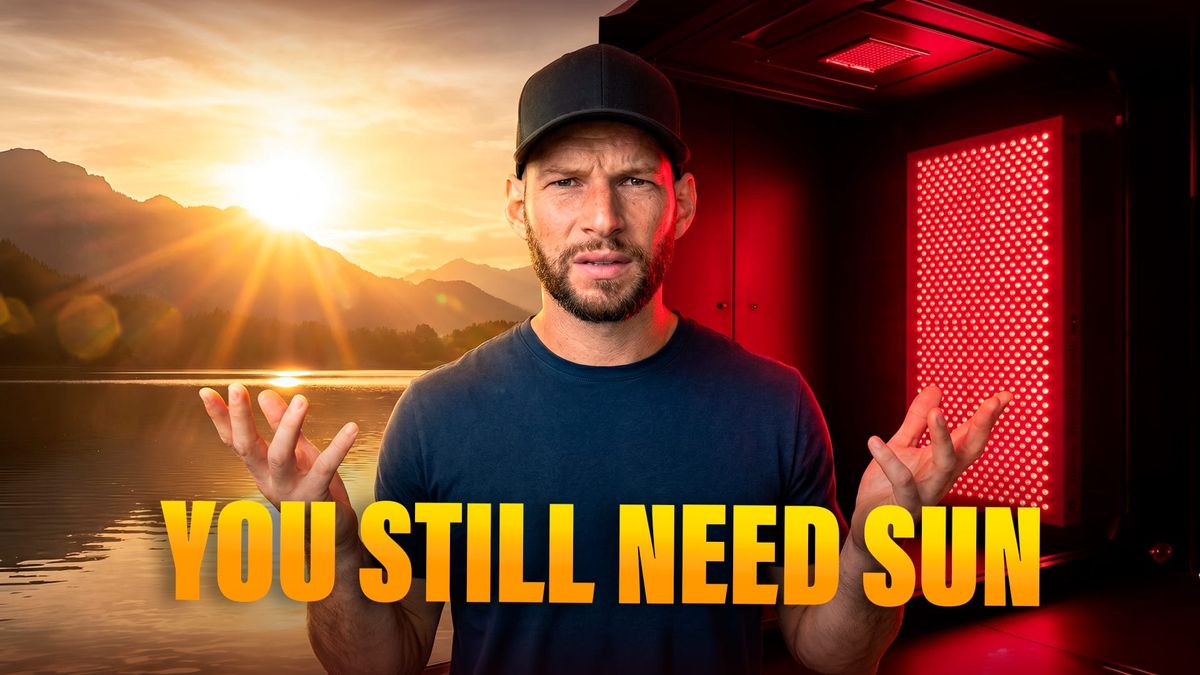
And I've written a huge article on melanoma risk before, that you should check out, as this skin cancer is the most likely to spread:
 Bart Wolbers
The moral of the story? Get some sunlight, especially if you live in an area without great sunlight in the first place, such as the UK or Sweden. I left the Netherlands outside the summer months myself, for this very reason.
Don't burn. Cover up long before you burn. So, go into the shade or wear clothes instead of getting a sunburn. And if you do have to be in the sun, then applying sunscreen is far better than getting sunburns.
Also, I will say, is the study above perfect?
No, it's not an "RCT" study, the gold standard in medicine. And behavior is mostly self-reported, etc. Carrying out an RCT study with 40,000+ people over years/decades is prohibitively expensive and even impossible, however, so this setup is very much warranted.
Nevertheless, if you want more of a deep dive on that topic, I still recommend you check out my course HERE for more data on using sunlight as safely as possible!
Here Are Our Latest Light Therapy Insiders' Articles:
Every single article that we've published recently - you can find the videos in the article itself:
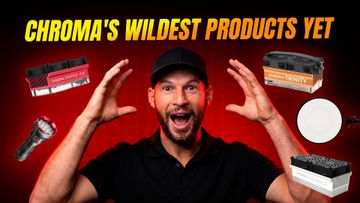
- Chroma’s New Light Therapy Devices: The Most Innovative Red Light Therapy Devices Yet? - Chroma has released a ton of devices that used a lot of outside the box thinking in the last few years. Alex considers these, such as a UVA/UVB device, indoor lamps, a mask replacement, and much more!
- Red Light Therapy News August 2026: HUGE Developments - Here's Bart with the latest products, science, gossip, Q&A, and a lot more, in the light therapy space!
- Red Light Therapy For Liver Health: Hoax Or Hard Science?! - Yes, really, people in the space have already been experimenting with putting red light devices on their liver, but there's finally some positive science trickling out too!
- Maysama Aura Review: My Testing Revealed a Big Problem - Huge reveal here with this mask, generally, it's a great option, but there's one issue. Check Alex's deep dive review!
Also, Check Out Some Of Our Other Content:
Below you'll find some of our best content that you shouldn't miss:
Light Therapy Insiders Science Tool
Search for different health conditions and benefits, and get Bart's breakdown of the science on that topic, as well as recommended devices and light therapy routines.
We've been trying to simplify this space as much as possible:
 Bart Wolbers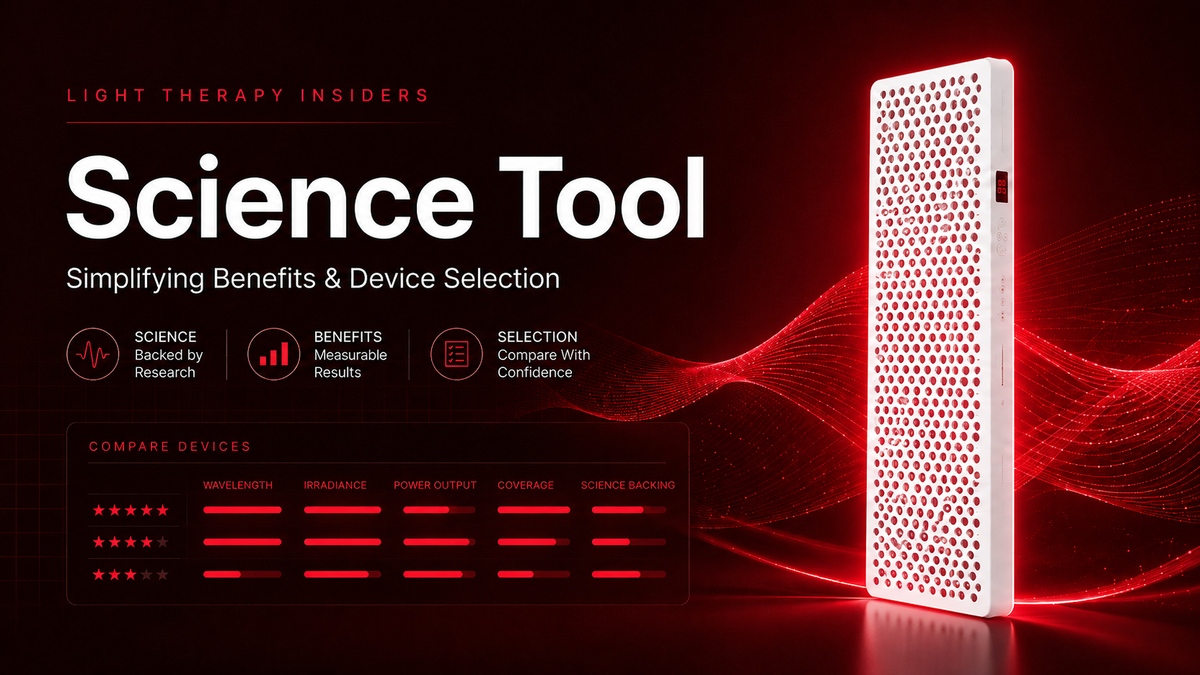
Red Light Therapy Buyers Guide
 Alex Fergus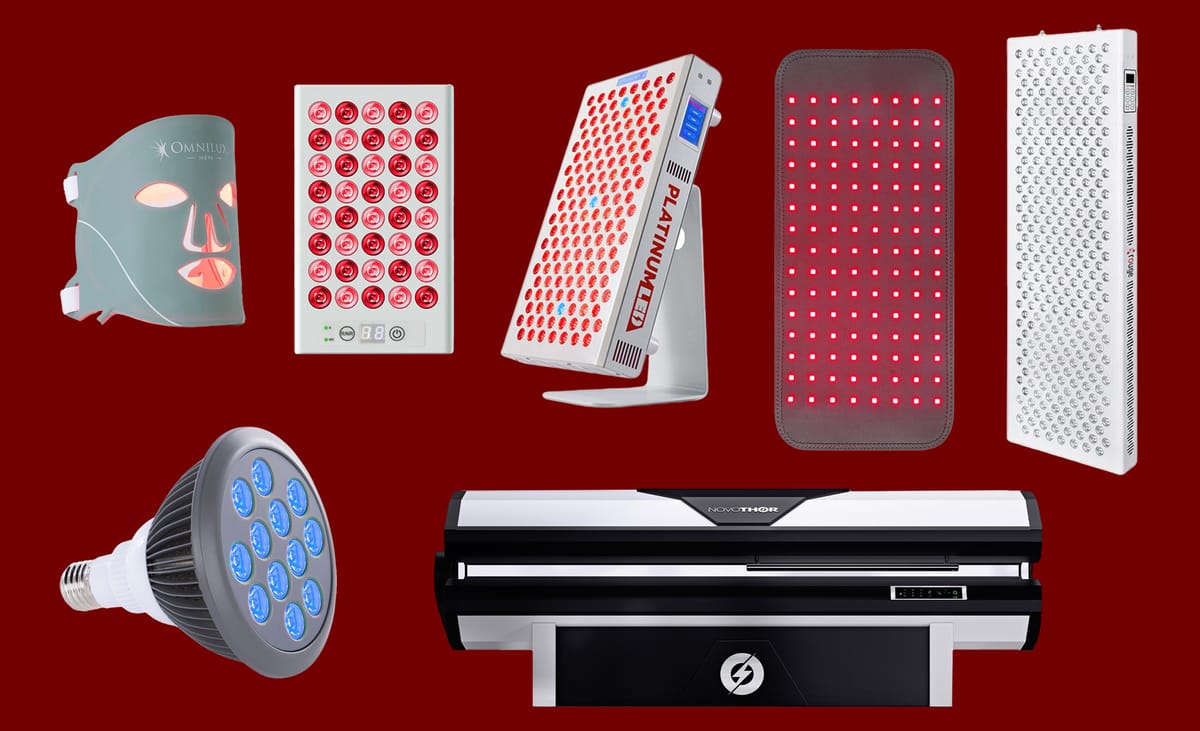
Red light therapy uses red and infrared light to achieve a biological effect. Dive into this topic and select a device that's right for you.
LED Mask Shopping Tool


My extension shopping tool compares all of the world's best (and not so good!) Red Light Masks.
How To Use Red Light Therapy 101: The Best Guide For Starters
 Alex Fergus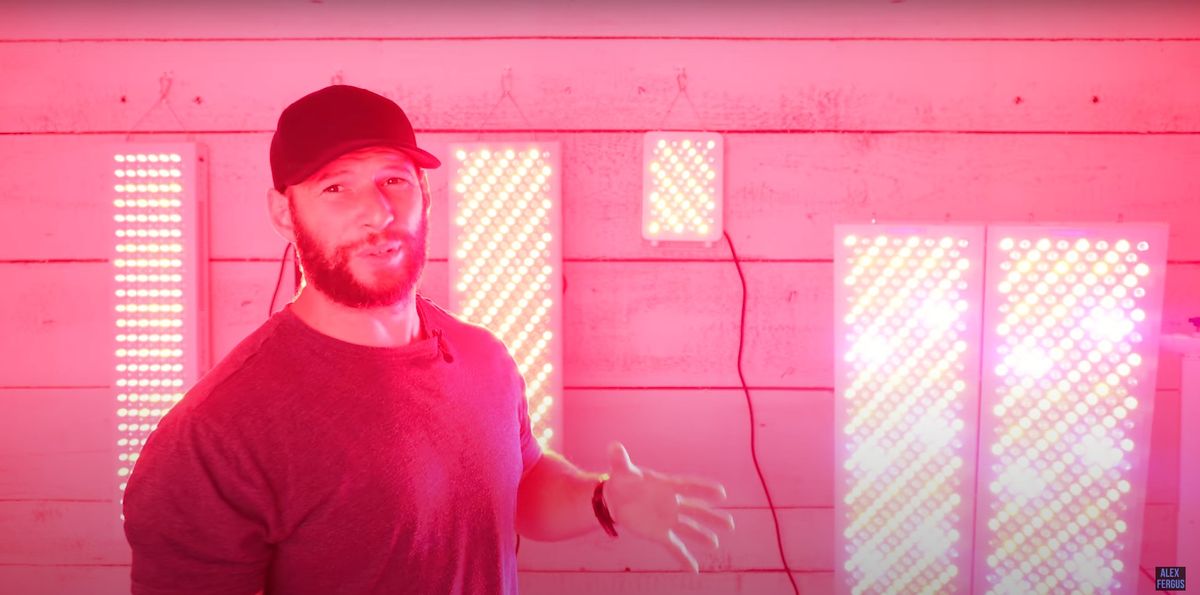
You have your device? Let me help you use it.
Red Light Panel Shopping Tool

My extension shopping tool compares all the world's best (and not-so-good!) Red Light Panels!
Exclusive - Discount Codes, Deals & Recommendations
 Alex Fergus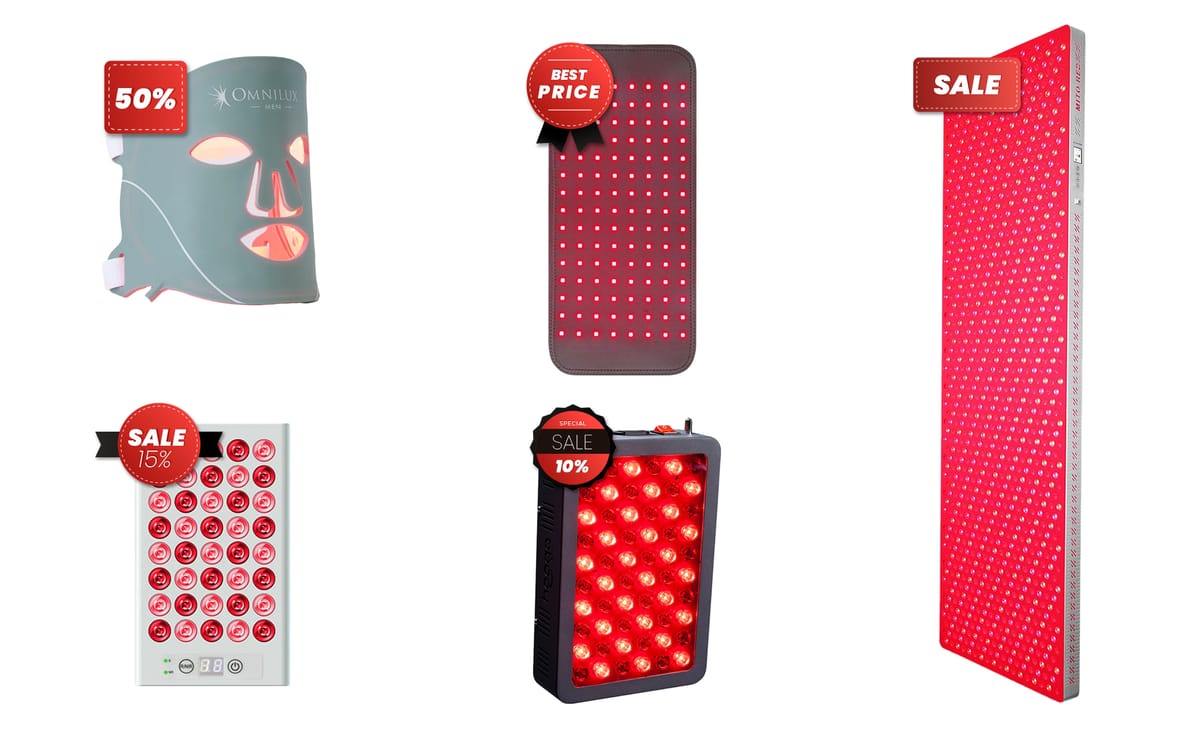
Shopping for a red light device? Use this resource to save! We've got deals for most of the big and best brands out there...