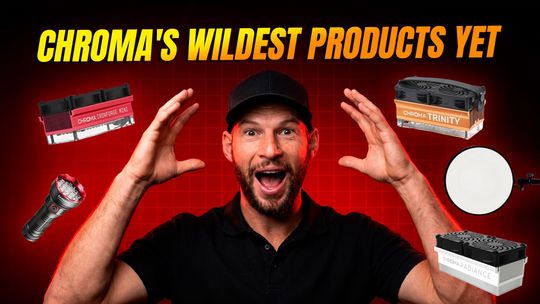


Sunlighten is one of the biggest names in the infrared sauna industry, and it has now officially moved into red light therapy with its first dedicated panel. Rather than releasing another generic-looking device, Sunlighten has created something that immediately stands out, thanks largely to its unusual wooden trim and premium design. It’s clearly made to complement the look and feel of a Sunlighten sauna or wellness room, though it can also be used on its own.
But appearance is only part of the story. I independently tested the Sunlighten Red Light Therapy Panel to see how its wavelengths, irradiance, and total power actually perform, and there are some impressive results. At the same time, the $1,598 panel has surprising limitations, including one major missing feature.
Sunlighten’s First Red Light Therapy Panel
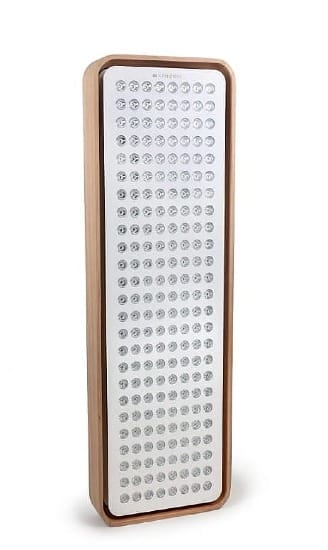
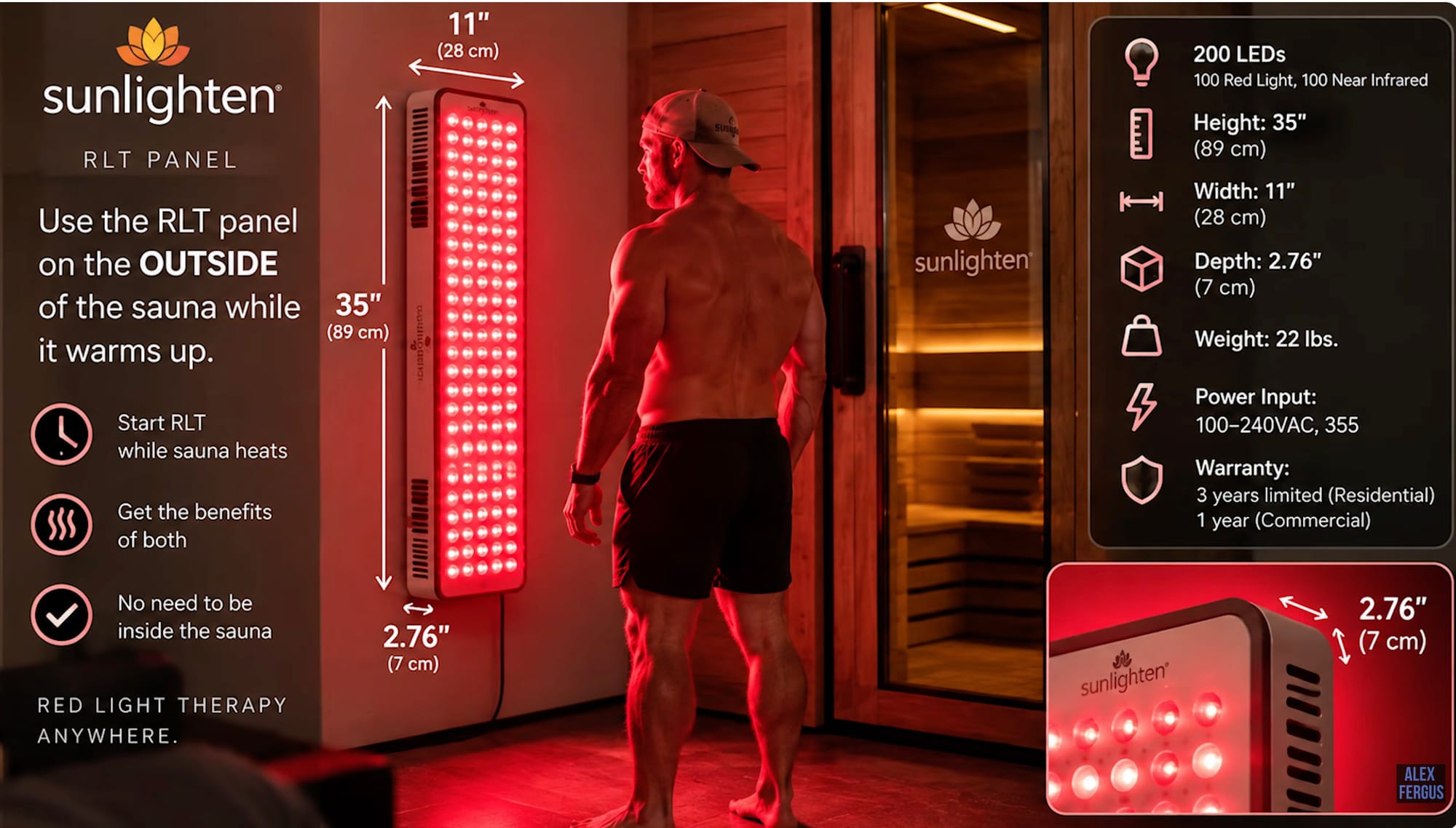
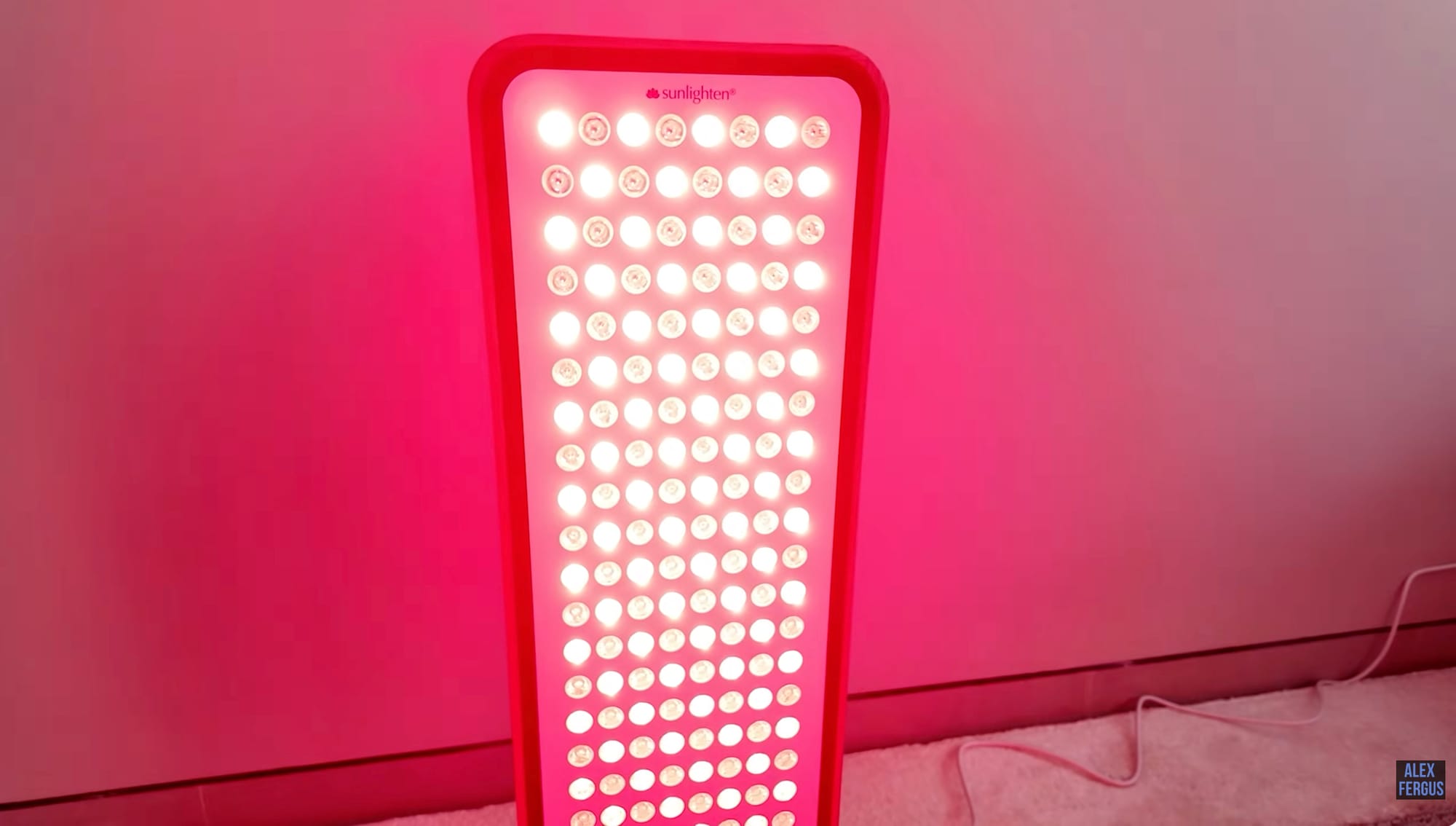
The Sunlighten panel measures approximately 35 inches tall, 11 inches wide and 3 inches thick, making it a fairly typical size for a wall-mounted red light therapy panel. Inside are 200 single-chip LEDs, with half dedicated to red light and the other half to near-infrared light. What isn't typical is the wooden trim surrounding the device, which gives it a very different appearance from the black or white metal panels that dominate the market.
It’s important to understand that despite Sunlighten being an infrared sauna company, this panel is not designed to be used inside a sauna. Instead, the idea is to have it nearby and use red light therapy as a separate treatment. You could, for example, complete a red light therapy session while your sauna is warming up, or install the panel on a wall in the same wellness space. You don't need to own a sauna at all, though, as the panel functions perfectly well as a standalone red light therapy device.
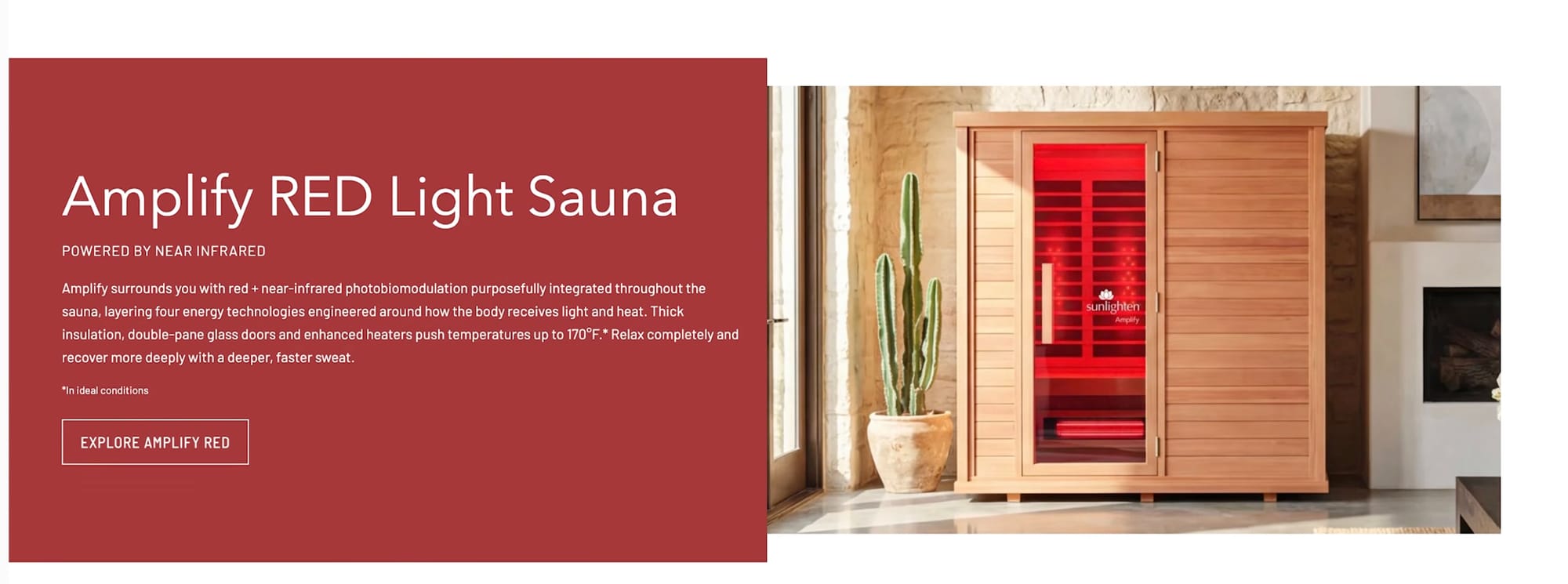
Why Sunlighten Entered Red Light Therapy
Sunlighten moving into red light therapy makes a lot of sense. The company already has a large customer base interested in infrared light, heat and wellness technology, while red light therapy has become increasingly popular as the research and product market continue to expand. What I like about Sunlighten’s approach is that they haven't simply taken a standard off-the-shelf red light therapy panel, changed the logo and called it their own.
The design appears to have been created specifically to fit within the Sunlighten ecosystem. The wood finish, matching stand and overall presentation are clearly aimed at people who want something that looks at home in a premium sauna or wellness room. That's a genuine point of difference, but with a price of nearly $1,600, the performance also needs to justify that premium.
Wavelength & Power Testing Results
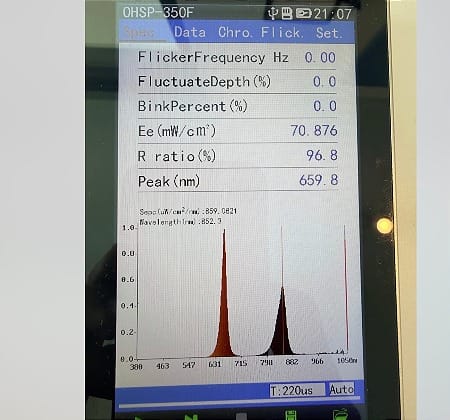
I tested the panel with my own equipment to see what it was actually producing. Spectrometer testing showed clear peaks around 660nm in the red range and 850nm in the near-infrared range, so Sunlighten is using two conventional and well-established red light therapy wavelengths. The panel doesn't offer the broader wavelength combinations we're now seeing from some competing brands, but there's nothing inherently wrong with sticking with 660nm and 850nm.
The power measurements were particularly impressive. At six inches, I recorded a peak irradiance of approximately 120 mW/cm², while the average across nine different measurement points came in at approximately 97 mW/cm². When I compared that average irradiance against other wall panels in the Light Therapy Insiders database, the Sunlighten performed extremely well and came in near the top of the group.
I also calculated approximately 151 watts of total optical power output. Its ranking for total power isn't quite as impressive as its irradiance result, but that's largely because this is a relatively small panel. Bigger devices with more LEDs and a larger illuminated area naturally have an advantage when total output is measured across the entire panel.
Of course, high power isn't automatically better for every red light therapy application. I've recently changed my own approach to using powerful panels, particularly when treating facial skin, where I don't necessarily want extremely high irradiance. However, if you want to target deeper tissues or use your panel from farther away, having this level of output gives you plenty of flexibility.
Price, Value & Accessories
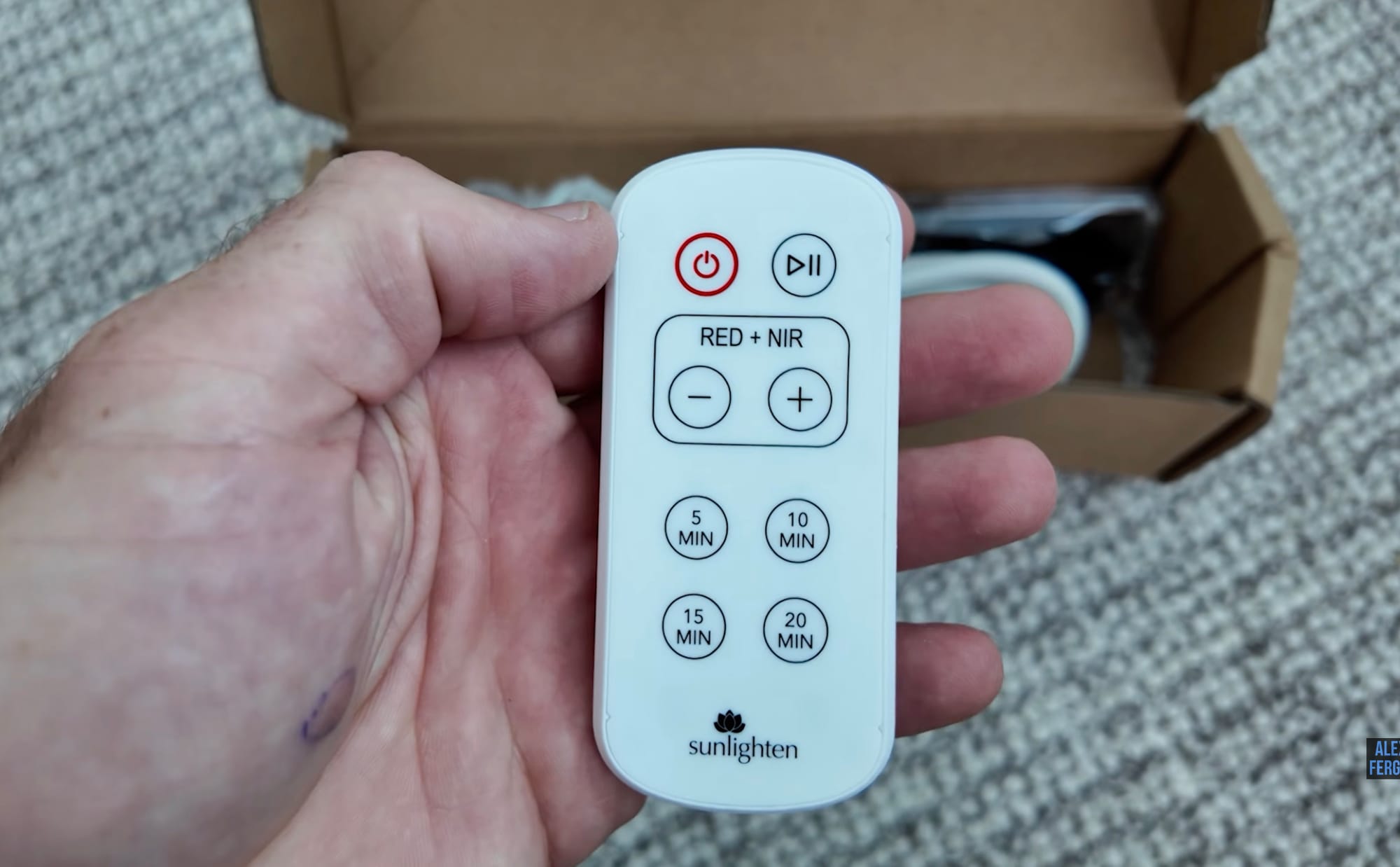
The Sunlighten Red Light Therapy Panel currently retails for $1,598, although there may occasionally be sales or discount offers available. Shipping is included in the price, which is a nice bonus, and the panel comes with protective goggles and a small rechargeable remote. There is also a free app that gives you access to additional controls and treatment modes, which I'll cover in more detail later.
When I calculated the value based on how much you're spending for each watt of therapeutic light, the figure came out at approximately $16 per watt. That's quite expensive by current red light therapy panel standards. I generally like to see a good panel come in below $10 per watt, and there are now plenty of options closer to $7 or $8.
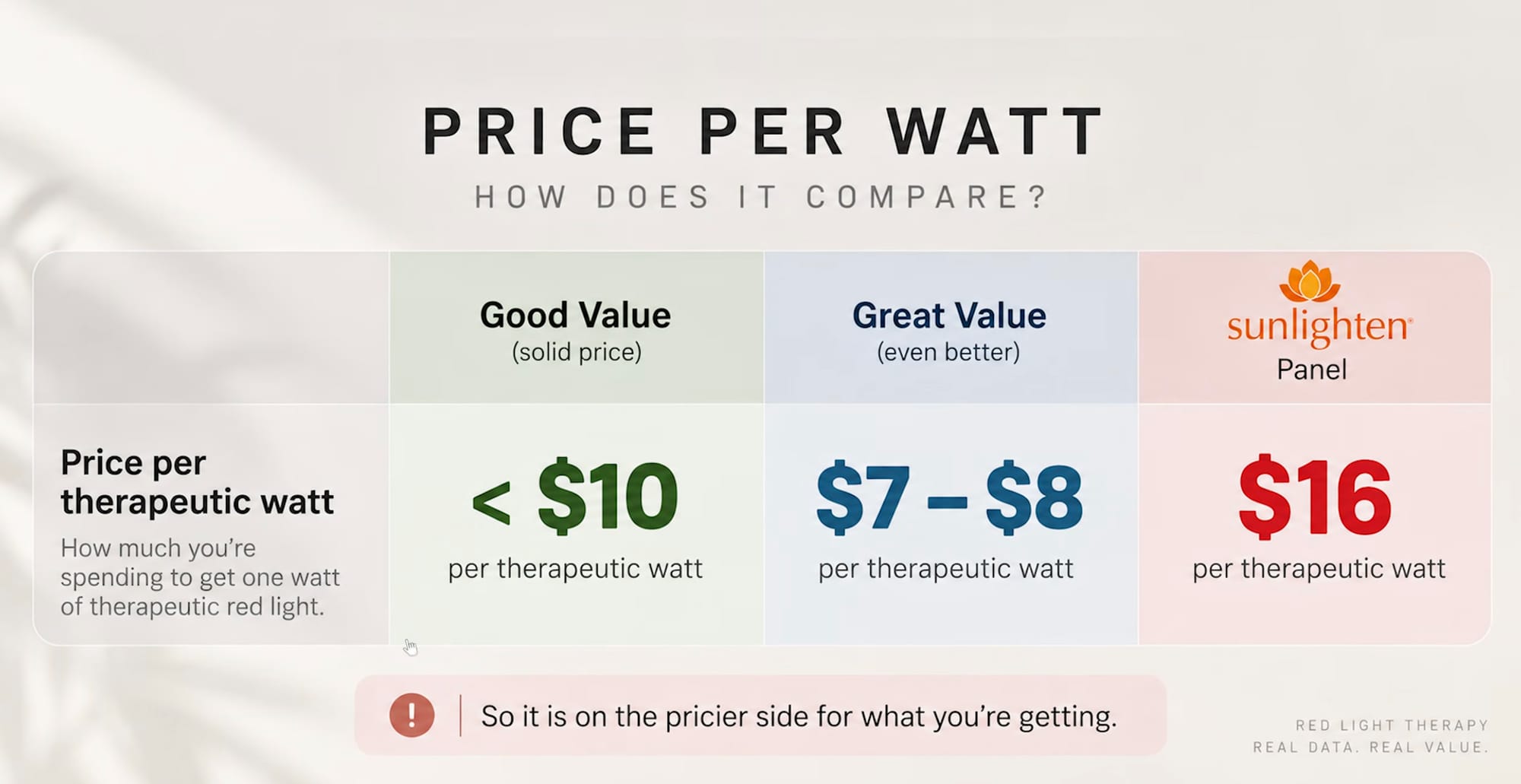
The Sunlighten is therefore in a slightly unusual position. It's very powerful for its size, but it's also relatively small and expensive, which hurts its overall value score. You're clearly paying a premium for the design, Sunlighten branding and overall finish rather than simply getting the maximum amount of therapeutic light for your money.
There are also several mounting options, but they cost extra. The floor stand is $149, the door hanger is $69, the single wall mount is $59 and a wider wall mount is $79. The mounts themselves are nicely made, and the floor stand continues the wooden design of the panel, but at this price I would have liked to see at least one basic mounting solution included. The panel also comes with a three-year warranty and a 30-day return period.
What I Like About This Panel
The design is probably my favorite part of the Sunlighten panel. Red light therapy devices tend to look very similar, and many of them are essentially large metal boxes covered with LEDs. Sunlighten has managed to make something that looks much more like a deliberate part of a wellness space, especially when it's properly wall-mounted or paired with the matching floor stand.
The included remote is another feature I like. It's simple, functional and USB-C rechargeable, and it allows you to start and stop your treatment, choose a five- or 10-minute session and adjust the intensity without pulling out your phone. The panel's strong output is also a major positive, particularly for people specifically looking for a powerful device or who prefer to carry out treatments from farther away.
Overall, there's a lot to like about the physical product. It looks good, feels premium and delivers some impressive numbers in independent testing. Unfortunately, once you start looking at how you actually control the panel, things get a little strange.
Cons & The BIG Thing This Panel Is Missing
This is the first red light therapy panel I've tested that essentially has no physical user interface on the panel itself. There are no controls on the front or side, no screen, no visible timer and no buttons for adjusting intensity or treatment settings. There is a basic switch on the back that can start a 20-minute session and turn the device off, but that's about it.
That's surprising because even very basic panels from years ago generally gave you some control directly from the device. You might have had switches for red and near-infrared light or a simple timer, while many modern panels now include LCD displays, touchscreens and much more advanced controls. I don't necessarily need all of those bells and whistles, but I do think a visible timer is useful.
For example, if I'm doing a 10-minute treatment and want to turn my body halfway through, I can normally glance at the panel and see when five minutes have passed. With the Sunlighten, there's nothing on the device telling you where you are in the session. You need to use the remote or turn to the app for more control, and that's an odd limitation on a panel at this price point.
There are a few other drawbacks as well. A physical manual isn't included beyond a basic flyer, with the full manual instead accessed digitally through the app. The panel also doesn't have any special integration with Sunlighten saunas, which feels like a missed opportunity considering who makes it. It can't be used inside the sauna, and there isn't a dedicated system that allows it to easily attach to or integrate with one.
The App & “Science-Backed” Modes
The Sunlighten app gives you much more control over the panel, and once you're inside, it's actually quite polished. The interface is clean and easy to understand, and the quick mode allows you to adjust the treatment time and intensity. The problem is that you first have to create an account and log in, which seems excessive when the app is essentially acting as a controller for a red light therapy device.
The more interesting part of the app is its selection of pre-programmed modes for goals such as energy, recovery and immune support. Within some of these categories, Sunlighten provides beginner, intermediate and advanced options. That's where I started to have questions, because it isn't particularly clear what makes someone a beginner, intermediate or advanced user when they're simply trying to use red light therapy for a particular goal.
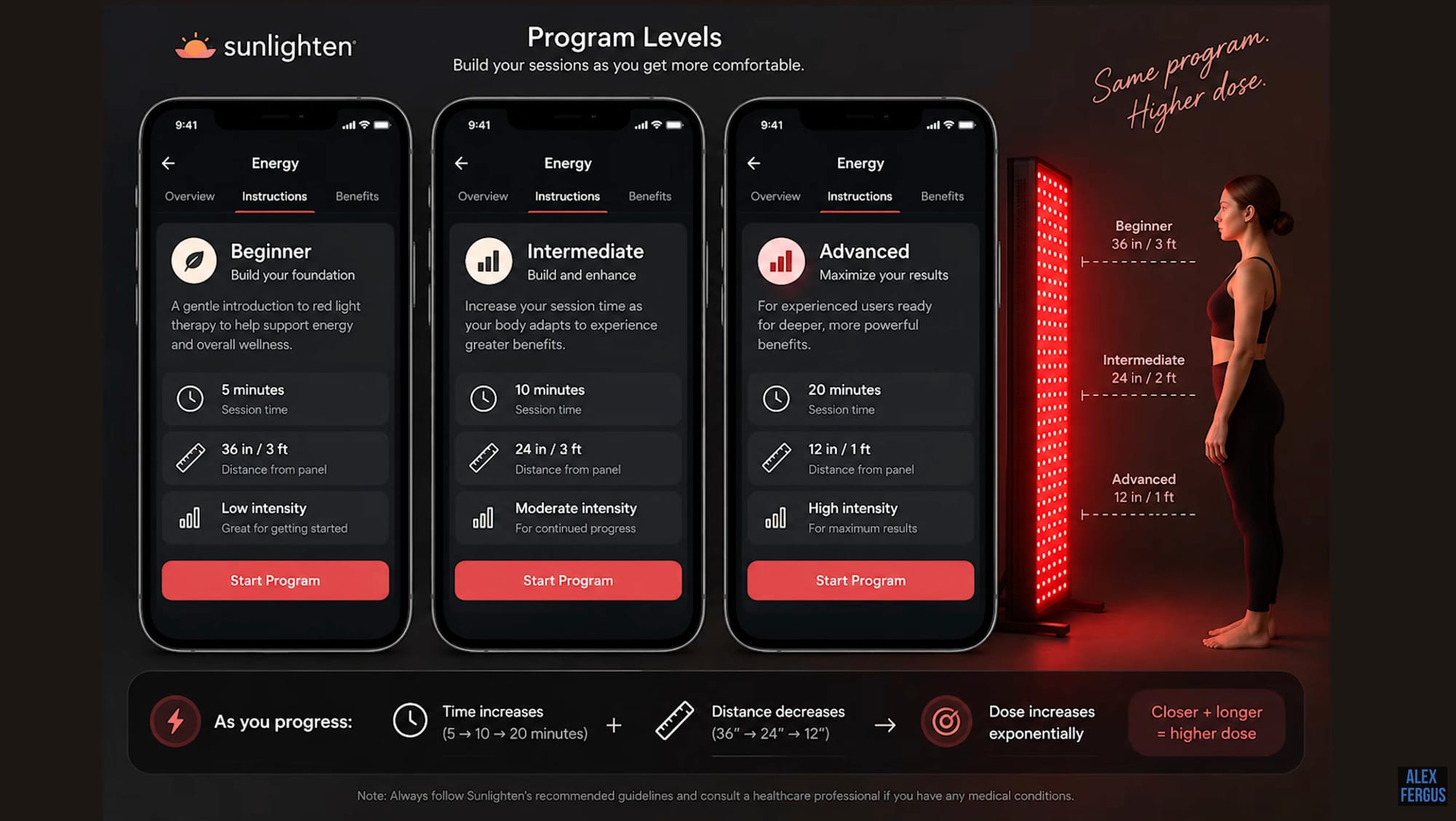
The recommended treatment parameters also change significantly. For example, one energy protocol recommends a five-minute session at around 36 inches, while the intermediate and advanced settings bring you closer to the panel while also increasing treatment time. That means the delivered dose could increase dramatically as you progress through the levels.
Sunlighten refers to these as scientifically backed modes, but I would like to see more information showing how those exact protocols were developed. Why that particular distance? Why that treatment time? And what evidence supports increasing both proximity and treatment duration between the different levels? Without more explanation, it's difficult to understand the reasoning behind some of these recommendations.
How Does the Sunlighten Compare to the Competition?
The Sunlighten's biggest challenge becomes obvious when you look at what else is available around its $1,598 price point. There are competing panels that are considerably larger, have more LEDs and include more features. The BioMax Ultra, for example, offers more than twice as many LEDs, while Rouge also has panels under $1,500 with more LEDs, more wavelengths and additional functionality.
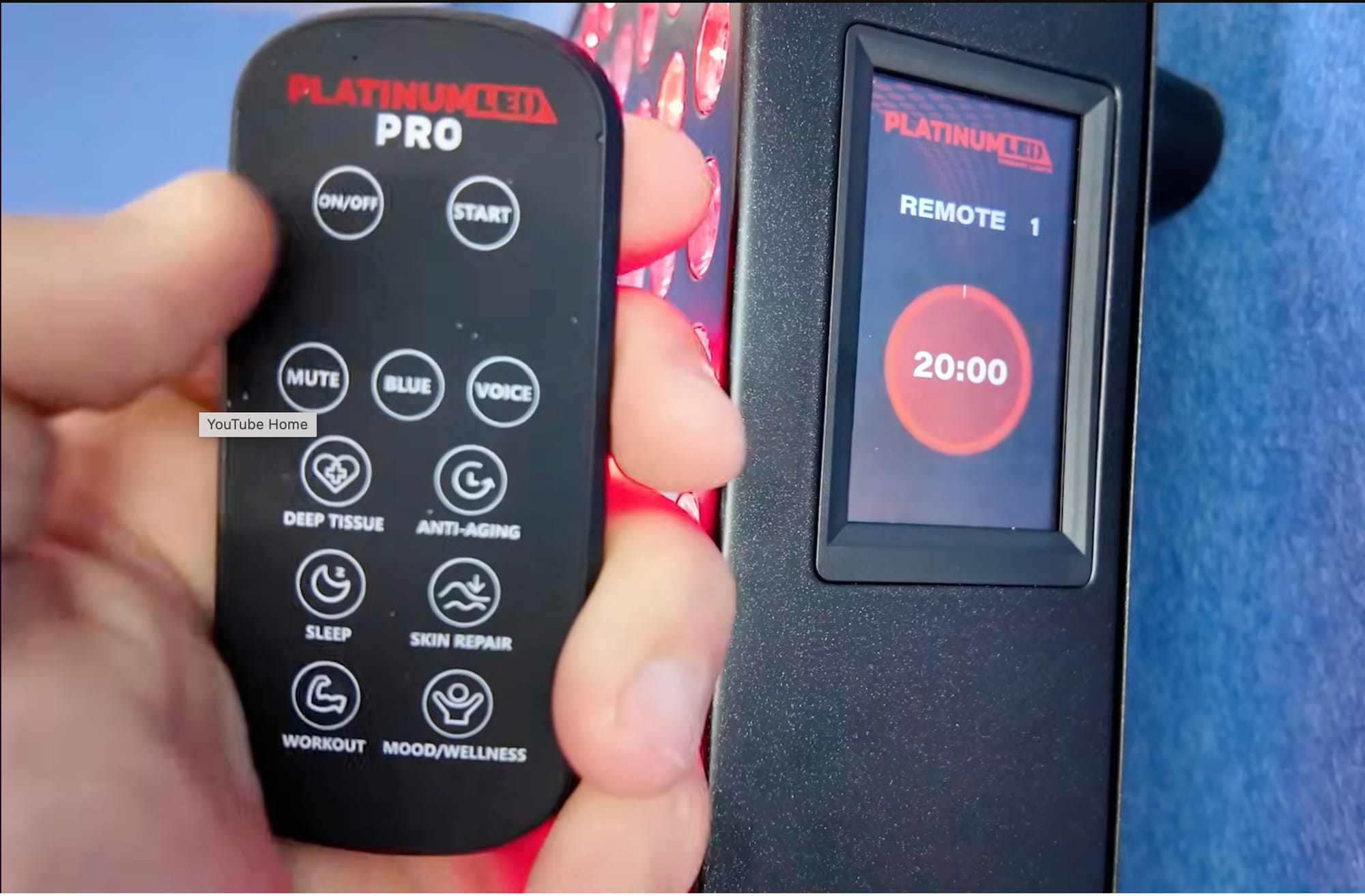
Sunlighten's wavelength selection may also feel limited compared with many newer panels. The measured peaks around 660nm and 850nm give you two established red and near-infrared wavelengths, but other manufacturers are increasingly incorporating wavelengths such as 630nm and 810nm, along with additional near-infrared options. Whether you actually need all those wavelengths is another question, but buyers spending this much money may expect more flexibility.
The panel also isn't modular. If you eventually decide that you want a much larger treatment area, you can't simply connect several Sunlighten panels together and create a large full-body wall system. Again, that doesn't matter to everyone, but it's another limitation worth considering when you're comparing products at this price.
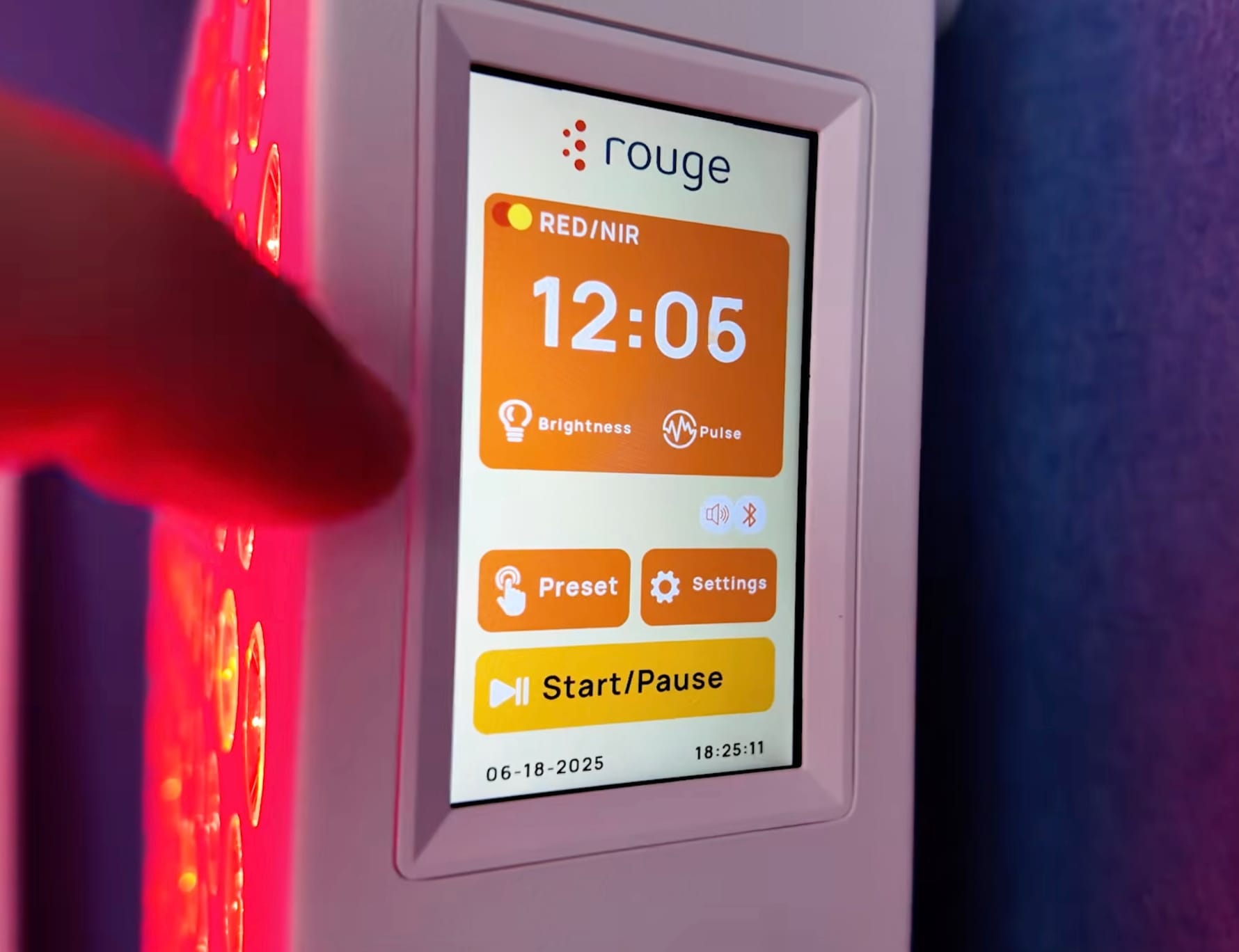
Where the Sunlighten does have an advantage is its appearance. There really isn't much else on the market that looks like this. If you've invested in a premium Sunlighten sauna and want a red light therapy panel sitting next to it without ruining the aesthetic of the room, that may carry more weight than having extra wavelengths, LEDs or features.
Should You Buy the Sunlighten Red Light Therapy Panel?
The Sunlighten Red Light Therapy Panel is an interesting first entry into the market. Its independent testing results are strong, particularly the average irradiance of approximately 97 mW/cm² at six inches, and the wood-trim design gives it a premium appearance that genuinely separates it from most competing devices. The remote is simple to use, the app is polished once you're logged in, and there's certainly no shortage of power.
On the other hand, $1,598 is a lot of money for a panel of this size. You're competing against larger devices with more LEDs, additional wavelengths, more physical controls and better overall value. The absence of even a basic timer or control interface on the panel is difficult to overlook, while some of the supposedly science-backed treatment modes need more explanation before I'd feel confident about the logic behind them.
If you're buying this specifically to put inside a Sunlighten sauna, don't—it isn't designed for that environment. But if you already own a Sunlighten sauna and want a powerful red light therapy panel that can sit alongside it and actually match the premium look of your wellness space, this panel has a very obvious appeal.
For everyone else, I'd compare the Sunlighten carefully with other panels in the same price range before making a decision. It's powerful, unique and probably one of the best-looking red light therapy panels I've tested, but you're paying a significant premium for those qualities—and you'll have to decide whether they're worth it.
Items Discussed
🔴 For a Sunlighten panel use https://aferg.co/sunlighten and code Fergus
🔴 PlatinumLED BioMax-use https://aferg.co/redled for 5%. Code will appear after you click that link.
🔴 Rouge- Use discount code ALEX at https://aferg.co/rougecare for $50 off.
Have You Seen These?
🔴 Infrared Sauna vs Red Light Therapy: Why They’re NOT the Same
🔴 I Have Been Using Red Light Therapy Incorrectly!
🔴 CurrentBody’s Acne Mask Gets the Wavelength Right. But There’s a Catch
🔴 I Bought a $10,000 Red Light Therapy Testing Tool — Here’s Why It Matters
🔴 Dual-Chip LEDs Sound Better—Until You See the Test Results
Alex's Bio
Alex Fergus wrote this blog post. Alex is an ISSN Sports Nutrition Specialist, Fitness Professional, and certified Superhuman Coach who continues to expand his knowledge base and help people worldwide with their health and wellness. Alex is recognized as the National Record Holder in Powerlifting and Indoor Rowing and has earned the title of the Australian National Natural Bodybuilding Champion. Having worked as a health coach and personal trainer for over a decade, Alex now researches all things health and wellness and shares his findings on this blog.